
To be one with nature, is to be one with yourself.
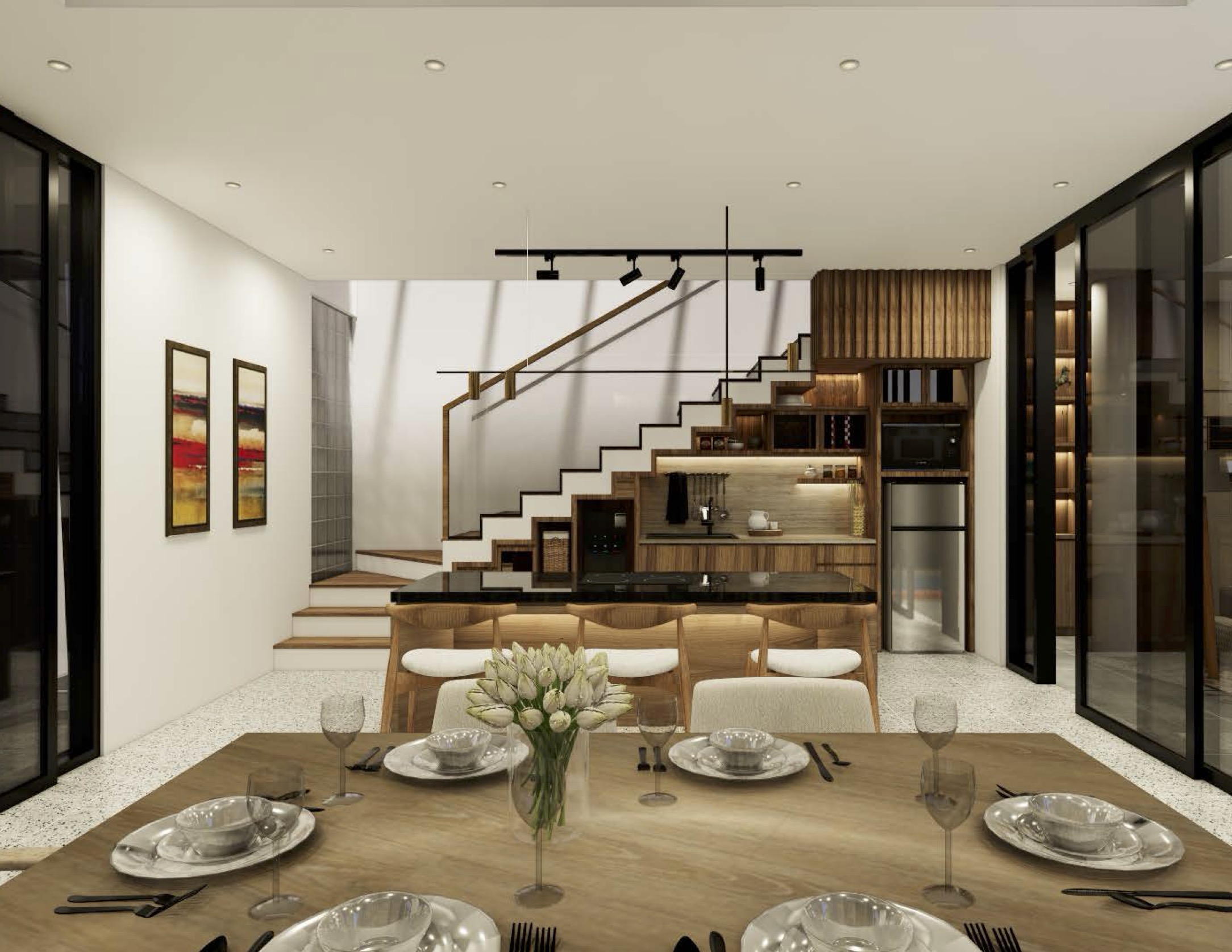
Tucked away in the midst of Ubud – Bali’s lush greeneries, Celeste Villa was designed to be more than just a luxury retreat — It’s meant to be a living example of how biophilic design can transform a space into a sanctuary of tranquility.
The term biophilia is defined as ‘the urge to affiliate with other forms of life’. In a design context, this refers to architecture that mimics natural environment to enhance the well-being of the inhabitants. Here’s how we incorporated biophilic principles in Celeste.
Cross Ventilation & Passive Cooling
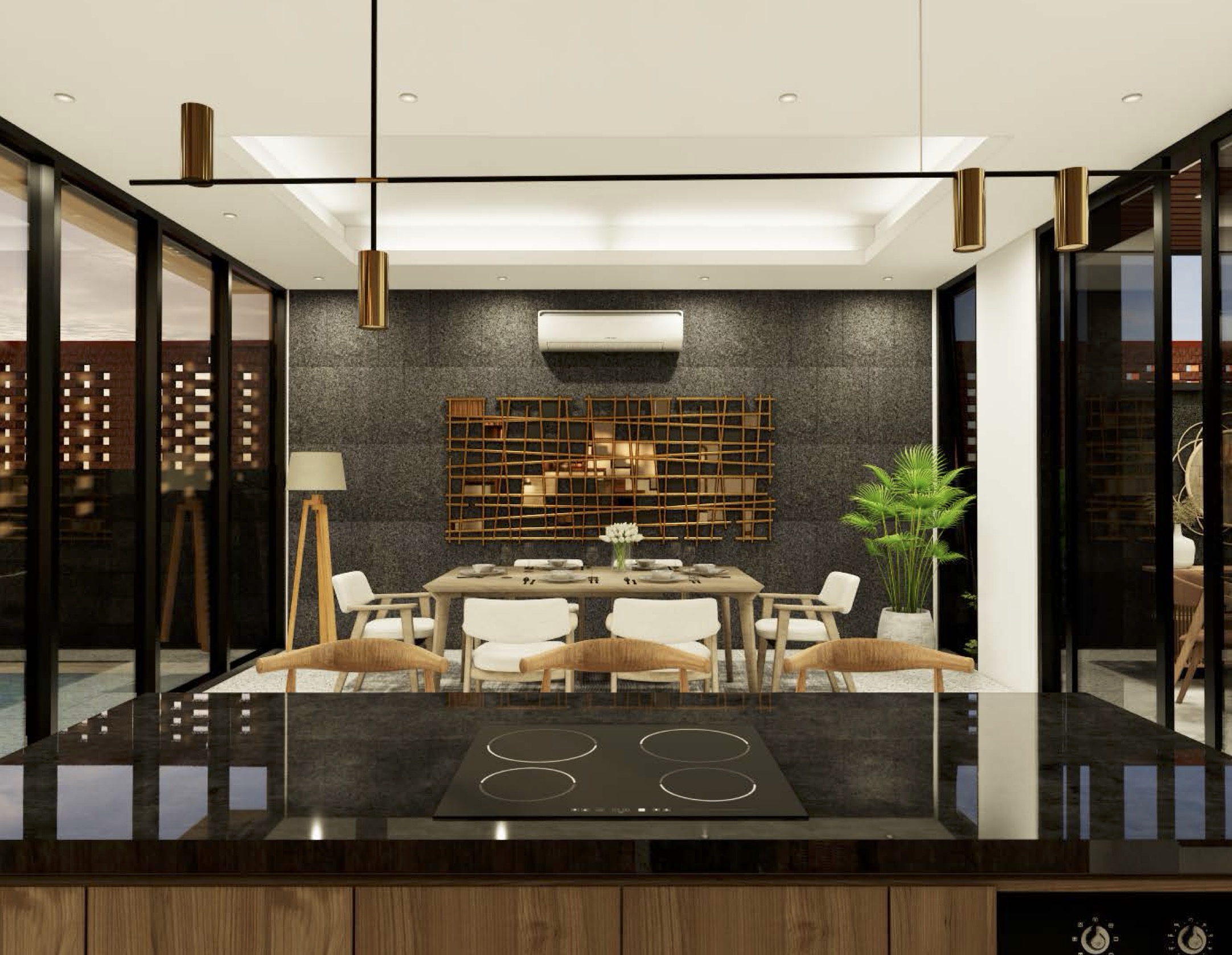
Air conditioners or ceiling fans are one of the hallmark of Indonesian houses due to the country’s hot and humid climate. However, these types of cooling systems can be expensive and energy-intensive. To combat this, Celeste leverages cross ventilation where windows and opening are strategically placed to capture breezes, allowing air to flow naturally across the villa’s spaces. Moreover, we incorporated a double-height void to allow hot air to rise and escape. Lastly, we included overhangs to shield the building from direct solar gain while allowing light and breezes to enter.
Bringing Nature In & Around
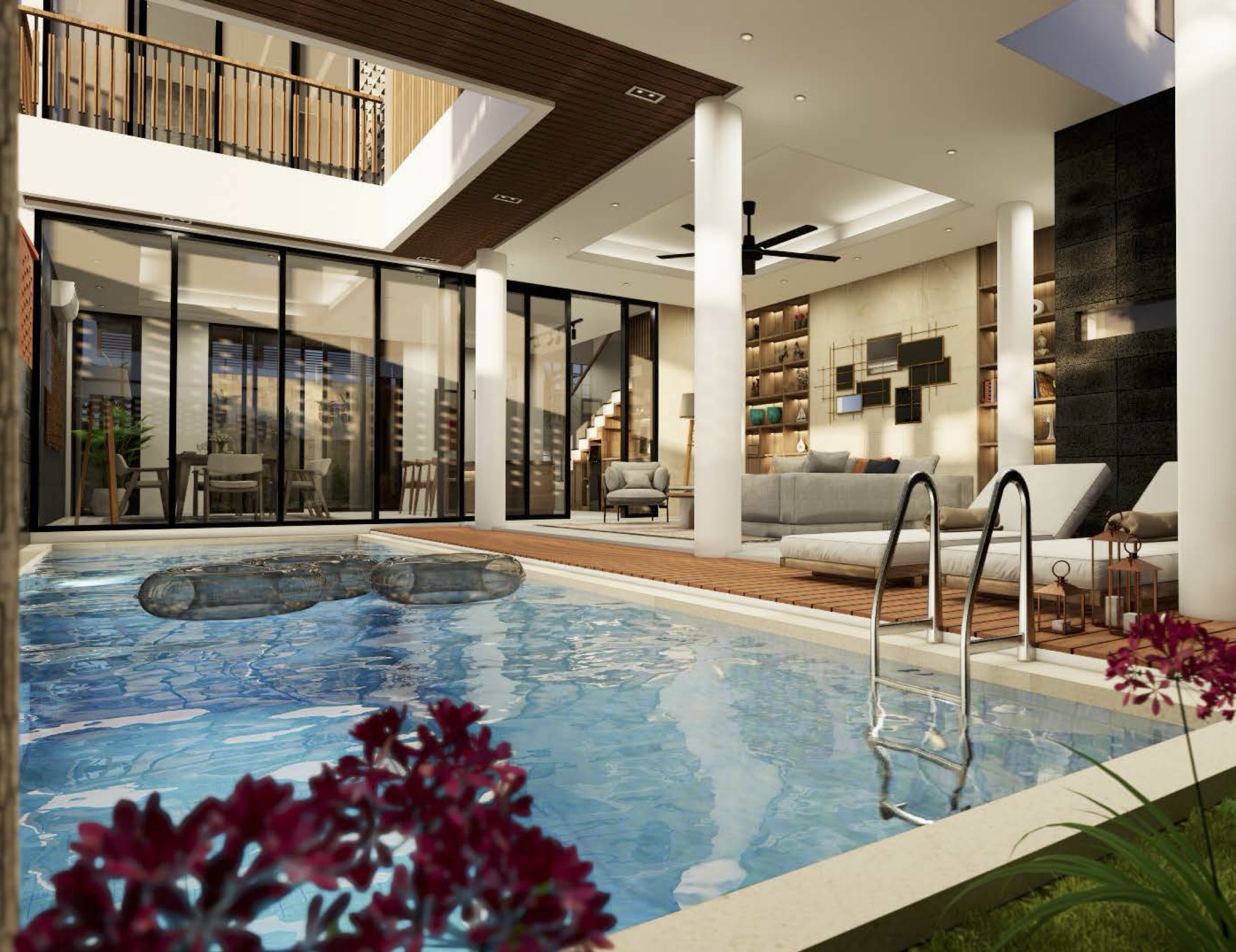
One if not the most important principle of biophilic design is to connect the architecture with the land and nature around it. For Celeste, we integrated open spaces, glass openings, balconies, and an indoor swimming pool to blur the boundaries between indoors and outdoors. Thus creating a calming, immersive environment that encourages occupants to feel rooted in the landscape around them. The indoor swimming pool, particularly, is one of the key components of the villa’s biophilic design as water is one of the most powerful biophilic triggers. The pool is not just decorative but also functions as a sensory anchor, creating gentle sounds, visual fluidity, and evaporative cooling.
Honouring Land through Materials
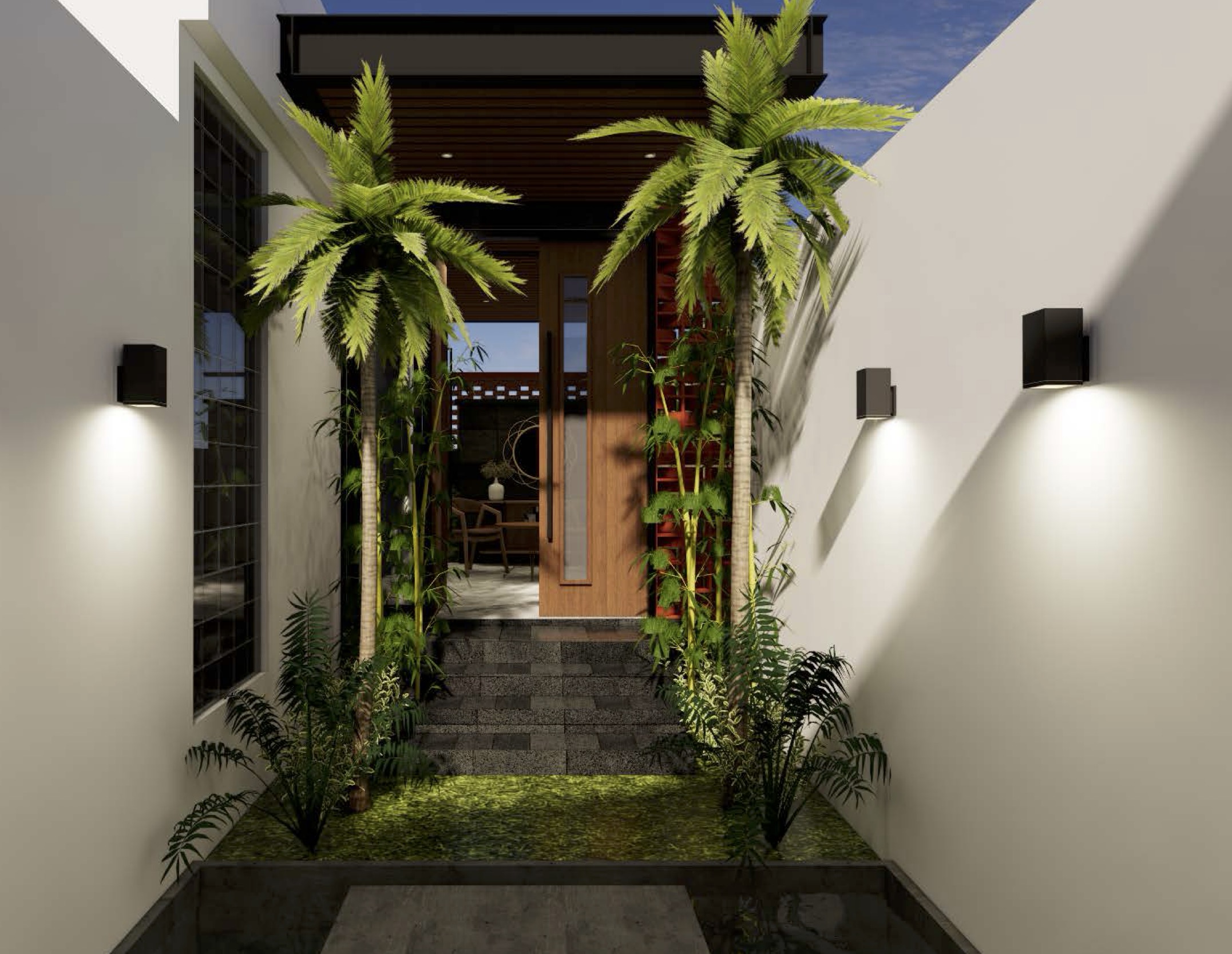
CELESTE is designed using Kerobokan stone, a locally sourced Bali stone for its walls and flooring. The stone not only acts as a connection between the villa, the land, and the Bali culture but also provides long-term protection for the stone is renowned for its durability, low maintenance and natural resistance to harsh weather conditions. Thus, reducing the need and cost for replacements. We also incorporated wood elements to bring warmth and texture. Natural materials like wood and stone do more than look good — they are more likely to be low-VOC (volatile organic compounds), healthier for indoor air, and durable.
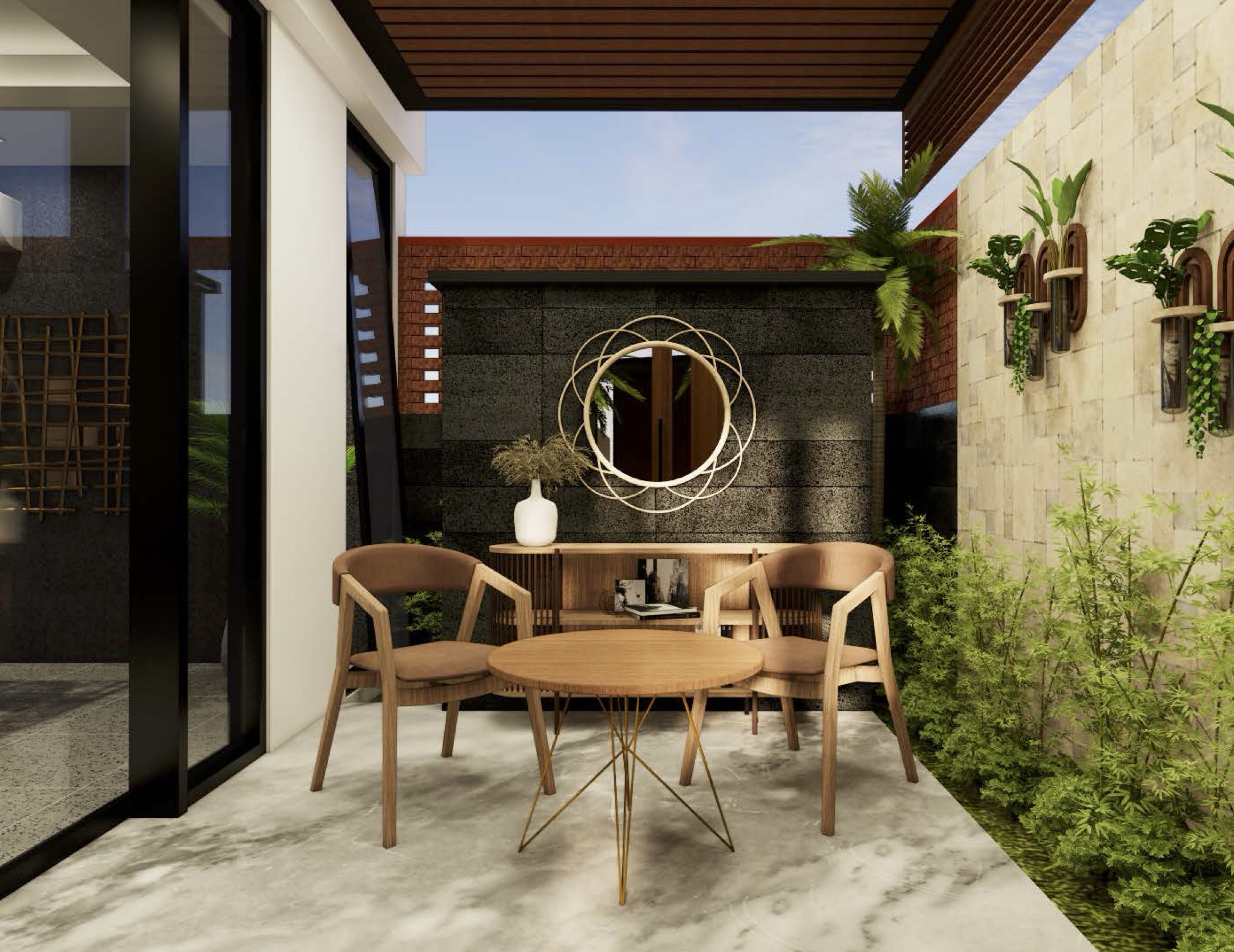
At its heart, CELESTE Villa stands as a reminder that architecture can do more than meet functional needs – it can restore, reconnect, and regenerate.